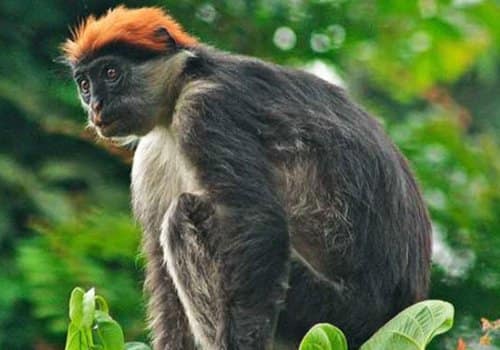
Mikumi Day Safari From Zanzibar

Mikumi Day Safari From Zanzibar

Experience the Wild: Mikumi Day Safari From Zanzibar

Are you considering an unforgettable adventure that combines the pristine beaches of Zanzibar with the wild heart of Africa? Look no further than a Mikumi day safari from Zanzibar. This unique opportunity offers travelers a seamless blend of relaxation and adventure, showcasing the best of Tanzania’s natural beauty and wildlife. Here’s everything you need to know about embarking on a Mikumi day safari from Zanzibar.

Day Mikumi Safari


Enquire Now


Why Choose Mikumi Day Safari From Zanzibar?

Mikumi National Park is a popular destination for day safaris from Zanzibar due to its close proximity and diverse range of wildlife. Zanzibar, known for its stunning beaches and rich cultural history, may not be the first place that comes to mind when thinking about safari experiences. However, many travelers find that combining a beach vacation with a day safari to Mikumi National Park allows them to experience the best of both worlds.

The short distance between Zanzibar and Mikumi National Park makes it an ideal option for travelers looking to add a safari experience to their itinerary without taking up too much time. The Mikumi day safari allows visitors to see a variety of animals, including elephants, giraffes, zebras, and lions, all within a convenient timeframe. Additionally, the park's diverse range of vegetation and landscapes offers a unique setting for wildlife viewing.


The Journey from Zanzibar to Mikumi

The Mikumi day safari from Zanzibar begins with an early morning departure from Zanzibar. We opt for a quick and scenic flight to the mainland, landing at a small airstrip within the park. This choice maximizes your time on the ground, allowing for an immediate immersion into the wilderness. For those craving a more rounded Tanzanian experience, there’s also the option to take a ferry to Dar es Salaam followed by a drive to Mikumi, though it’s a longer journey which requires 3 days.


What to Expect on a Day Safari to Mikumi National Park

Going on a day safari from Zanzibar is a fantastic way to experience the incredible wildlife and landscapes that Tanzania has to offer. During your Mikumi day safari, there are some must-see sights that you won't want to miss. One of the highlights of any safari is seeing the iconic 4 members of the Big Five - lions, elephants, buffalo and leopard. These animals are truly majestic creatures and spotting them in their natural habitat is a once-in-a-lifetime experience.

In addition to the Big Five, there are plenty of other amazing animals to see on safari, such as giraffes, zebras, wildebeests, and hippos. You may also be lucky enough to see cheetahs, hyenas, and various species of antelope. The savannah plains and lush forests of Mikumi provide the perfect backdrop for spotting these incredible creatures.

Game viewing activities in this safari includes

Morning Game Drive

Your Mikumi day safari starts with a morning game drive, the best time to witness the wilderness as it wakes up. The cooler temperatures encourage animals to be more active, presenting optimal viewing opportunities. A knowledgeable guide will navigate the park’s terrain, ensuring you visit the best spots for wildlife sightings while sharing insights about the ecosystem and animal behaviors.

Lunch with a View

After an exhilarating morning, enjoy a hot lunch amidst the beauty of Mikumi. We can arrange a meal in a picturesque location, allowing you to relax and dine with the wilderness as your backdrop. It’s not uncommon for some curious animals to make a distant appearance, adding to the experience.

Afternoon Game Drive

As the day progresses, you’ll head out for an afternoon game drive, exploring new areas of the park. This period often brings about different animal interactions and behaviors to observe, especially as the day cools down and creatures prepare for the night.

The Return to Zanzibar

As the safari concludes, you’ll head back to the airstrip for your evening flight to Zanzibar, filled with memories of the day’s adventures. The tranquility of the island awaits, offering a peaceful contrast to the day’s excitement.

Itinerary for a Day Safari to Mikumi from Zanzibar

Zanzibar - Mikumi National Park - Zanzibar

Depending on flight availability, the departure time from the hotel is either 5 am or 4 am. The flight leaves at 0700 hrs and arrives in Mikumi Airstrip at 0810 hrs. Upon your arrival our guide will meet and greet you and provide a brief overview of your game drive in Mikumi. Riding in a 4x4 safari vehicle, you will explore the park and its wildlife from an open-sided vehicle. You may spot elephants, giraffes, lions, buffalo, zebras, and leopards during this privileged and comfortable journey through the African bush.

During mid-day, your guide will drive to restaurant located within the park for hot lunch while enjoy the panoramic view of the park at the backdrop. Depending with your flight you might continue with the afternoon game drive or transfer to the airstrip for your flight back to Zanzibar. Note that some flights departs earlier and others in the afternoon at  1600hrs and arrive Zanzibar at 1710hrs.

Mikumi Days Safari Includes

  • Game drive in a 4WD Safari Vehicles
  • All park fees & Service fees
  • Service of the professional driver guide
  • Return airticket from Zanzibar
  • Transfer from the hotel to airport and back
  • Lunch
  • All ground transportations

Mikumi Days Safari Excludes

  • Drinks & Beverages
  • Medical Insurance if needed
  • Gratuities for Guides/Drivers
  • Visa fees
  • Airport/Departure Tax
  • International Flights
  • Expenses of a personal Nature

Book Your Safari

Mikumi day safari from Zanzibar provides travelers with the opportunity to experience the beauty of Tanzania's wildlife and landscapes without the need for an extended safari journey. It allows for a taste of the safari experience, making it a perfect choice for those looking to combine relaxation with adventure on their trip to Zanzibar.

Wilds of Africa offer Mikumi day safaris from Zanzibar each day. It is crucial to contact us about your time and need so that we aligns with your expectations and budget.
 

Planning Your Mikumi Day Safari


Best Time to Go

While Mikumi National Park offers year-round wildlife viewing, the best times to visit are during the dry season from June to October. This period provides easier wildlife spotting due to thinner vegetation and animals gathering around water sources.


What to Bring

  • Comfortable Clothing: Dress in layers for the fluctuating temperatures.
  • Binoculars: Enhance your viewing experience.
  • Camera: Capture the breathtaking wildlife and landscapes.
  • Sun Protection: Hats, sunglasses, and sunscreen are essential.
  • Insect Repellent: Keep the bugs at bay during your adventure.
3 Day Selous Safari from Dar es Salaam

3 Day Selous Safari from Dar es Salaam

Mikumi Tour Packages

A Compact, Wild Escape in Southern Tanzania

Imagine swapping the hum of city life for the roar of lions, the gentle splash of hippo pods, and the vast, golden plains of one of Africa’s largest protected wildernesses. A 3 Day Selous Safari offers the ultimate short bush escape into southern Tanzania’s pristine Nyerere National Park (formerly known as the Selous Game Reserve). Located just a short hop from Dar es Salaam or a quick 30-minute flight from Zanzibar, this action-packed 72-hour itinerary hits the sweet spot for travelers who want an authentic African adventure without spending weeks on the road.
Unlike northern Tanzania’s busier parks, a Selous safari gives you front-row seats to raw, uncrowded wildlife viewing. Across three unforgettable days, you won’t just track classic big game like lions, elephants, and rare African wild dogs on 4 by 4 game drives—you’ll also glide alongside sunbathing crocodiles on a Rufiji River boat cruise and track animal footprints up close during a guided bush walk with an armed ranger. Whether you are looking to round out a Zanzibar beach holiday or seek a quick immersion into Tanzania’s wild heart, here is everything you need to know to plan the perfect 3-day adventure in the famous Selous.
Selous Safari Tour
Selous Game Reserve
Selous Safari Adventure

Trip Overview

  • Your trip starts and ends in Dar es Salaam, either from your hotel or Julius Nyerere International Airport (DAR).
  • The destination is about 230 km south of Dar es Salaam. It takes about 5 to 6 hours to drive there, or about 45 minutes by plane.
  • Main stops include the Rufiji River, Lake Manze, Lake Nzerakera, and Mtemere Gate.
  • Transport Options
    • If you prefer to travel by road, a private 4x4 Land Cruiser is a good choice for budget to mid-range travelers.
    • For a quicker trip, you can fly with Coastal Aviation or Safari Air Link from DAR to Mtemere or Siwandu Airstrip.

Selous Safari Brief Itinerary

Day 1 Dar es Salaam ──> Drive/Fly to Selous ──> Sunset Rufiji River Boat Safari
Day 2 Full-Day 4x4 Game Drive in Nyerere National Park (Bush Picnic)
Day 3 Early Morning Guided Walking Safari ──> Return to Dar es Salaam

Selous Safari Cost:

Solo traveler: US $ 1350
2 people: US $ 985 per person
3 – 4 people:US $ 810 per person
5 people +: US $ 780 per person

What’s included in the price

  • A 3-day, 2-night stay in Selous
  • A professional English-speaking driver/guide
  • Accommodation and meals as specified in the program
  • Park entrance fees and taxes
  • One liter of bottled drinking water.
  • A 220 V charging socket and binoculars are available in the vehicle.
  • 24/7 assistance from our office throughout your safari.

The price does not include

  • Tips for the driver-guide (20 USD per vehicle per safari day);
  • Tips for local guides and hotel and lodge staff;
  • Extra meals not mentioned on the itinerary
  • Drinks during meals and personal expenses;
  • Individual insurance (assistance and repatriation, cancellation and baggage, etc.);
  • International flights
  • The cost of the Tanzanian visa (50 USD);
  • Any possible increase in park fees or government taxes

Enquire Now


Day-by-Day Itinerary

Day 1: Dar es Salaam to Selous & Sunset River Boat Safari

Morning: Departure from Dar es Salaam

  • 05:30 AM – 06:00 AM (Road Option): Your safari driver-guide picks you up early from your hotel or residence in Dar es Salaam to escape city traffic. Drive south through Kisarawe and local rubber plantations, watching urban streets give way to rural Tanzanian villages.
  • 07:30 AM (Fly-In Option): Board a short 45-minute morning flight from DAR airport directly to Mtemere Airstrip inside the park, arriving in time for a morning coffee at your camp.

Midday: Arrival & Lodge Check-in

  • Arrive at your safari lodge or tented camp near the Mtemere Gate around lunchtime.
  • Unwind with a fresh meal, enjoy views over the Rufiji River, and settle into your canvas tent or timber chalet.

Afternoon: Rufiji River Boat Safari (16:00 – 18:30)

  • Embark on a sunset boat safari along the Rufiji River, the lifeblood of the Selous ecosystem.
  • Wildlife Encounters: Glide past massive pods of hippos, giant Nile crocodiles sunning on sandbanks, and elephant herds coming down to the water’s edge to drink and cool off.
  • Sundowner: Enjoy a cold drink on a quiet sandbar mid-river as the African sun sets over the water.
  • Evening: Return to camp for a multi-course dinner around the open campfire (boma).

Day 2: Full-Day $4\times4$ Game Drive in Nyerere National Park

Early Morning: First Light Game Tracking

  • 06:30 AM: Enjoy an early breakfast before venturing through the park gate in an open-sided $4\times4$ safari Land Cruiser. Early morning provides the best chance to spot active predators before the heat sets in.

Midday: Exploring the Lake Circuit

  • Wildlife Highlights: Drive through open savannahs and palm groves around Lake Manze, Lake Nzerakera, and Lake Siwandu.
  • Keep your eyes peeled for lions, giraffes, zebras, wildebeests, massive cape buffalo herds, and leopards resting in sausage trees. Selous is also famous for hosting one of Africa's largest remaining populations of endangered African Wild Dogs (painted wolves).
  • Bush Picnic Lunch: Stop at a protected, scenic viewpoint overlooking one of the lakes to enjoy a packed bush lunch surrounded by nature.

Afternoon: Continued Game Viewing & Return

  • Track animals near permanent waterholes during the warmer afternoon hours.
  • Return to camp by 18:00 to relax, shower, and enjoy dinner under the starry southern skies.

Day 3: Guided Walking Safari & Return to Dar es Salaam

Early Morning: Bush Walk with an Armed Ranger (06:30 – 08:30)

  • Step out on foot accompanied by an experienced bush guide and an armed TANAPA park ranger.
  • The Walking Experience: Learn the intimate details of the bush—how to identify animal tracks, recognize medicinal plants, understand termite mounds, and observe rare bird species from ground level.

Mid-Morning: Late Breakfast & Check-Out

  • Return to camp for a hearty hot breakfast, refresh, and pack your luggage.

Afternoon: Journey Back to Dar es Salaam

  • Road Travelers: Depart by $4\times4$ vehicle back to Dar es Salaam, enjoying a local lunch stop along the way. Arrive in Dar es Salaam by 16:00 – 17:00 (drop-off at your hotel or DAR airport).
  • Fly-In Travelers: Transfer to Mtemere Airstrip for an afternoon flight back to Dar es Salaam (landing around 15:00).

Travel Tips for Your Selous Safari from Dar

  • Pack light and choose neutral colors such as khaki, beige, or olive green. Avoid dark blue and black, as they attract tsetse flies.
  • Road conditions: The route from Kibiti to Mtemere Gate is unpaved and bumpy. A $4\times4$ vehicle is required
  • The best time to visit is during the dry season from June to October, when there’s less vegetation and more animals gather near the lakes.
  • If you come between November and March, you’ll see green landscapes, enjoy lower rates, and have great birdwatching opportunities.
Please let us know if you prefer a road drive or fly-in option, and if you would like tailored lodge recommendations based on your budget.
2-Day Mikumi Safari From Dar es Salaam

2-Day Mikumi Safari From Dar es Salaam

Mikumi Tour Packages

The Best Short Wildlife Tour in Tanzania

Want a great wildlife encounter without taking much time off? The 2-day safari to Mikumi guarantees you the African wildlife experience that you need in one weekend. Mikumi National Park, described as the “little Serengeti,,” is located in southern Tanzania and offers wide grasslands, stunning mountain scenery, and plenty of wildlife, all within easy reach of Dar es Salaam or Zanzibar.
For a short trip, after a climb, or for a beach vacation, a Mikumi safari will give you easy access to lions, elephants, giraffes, and the wild African wilderness.

Why Choose a Mikumi Safari?

Located in Tanzania’s easy-to-reach southern circuit, a Mikumi safari provides several key benefits over northern parks:
  • Fast SGR Train Access: Skip long road trips by taking Tanzania’s modern SGR train from Dar es Salaam to Morogoro in under two hours, with a direct connection to the park gate.
  • Abundant Wildlife: The Mkata Floodplain is home to the "Big Four"—lions, elephants, buffaloes, and leopards—as well as giraffes, zebras, wildebeests, hippos, and more than 400 bird species.
  • Scenic Landscapes: Open grasslands with the Uluguru Mountains in the background create views similar to the famous Serengeti.
  • Year-Round Accessibility: Well-maintained trails make a Mikumi safari ideal in any season.

Trip Highlight

Tour Duration: 2 Days / 1 Night

Key Animals: Elephants, Lions, Giraffes, Zebras, Buffaloes, Hippos, Leopards

Transport: SGR Train / 4x4 Open-Roof Safari Land Cruiser

Best Time to Visit: Year-round (Dry Season June–October offers peak wildlife visibility)

Starting Points: Dar es Salaam, Morogoro, or Zanzibar

Mikumi Safari from Dar es Salaam

Estimated prices for a private two-day Mikumi safari:

Budget safari: $220 – $360 per person

Mid-range safari: $250 – $400 per person

Luxury safari: $480 – $650 per person

Budget prices reflect stays at Chambo Villas, which is located outside the national park.
Mid-range prices are for Camp Bustian, which is also located outside the national park.
Luxury prices are for Wellworth Mikumi Wildlife Lodge, which is inside the national park.
Mikumi Safari Tour

Mikumi Safari Cost Includes

Mikumi park fee

Mineral water 1.5 L per person per day

Salary for a professional English-speaking driver-guide

Full board Accommodation at Camp Bastian

Transport in 4WD vehicle with a pop-up roof

SGR Dar es Salaam to Morogoro

Mikumi Safari Cost Excludes

Accommodation in Dar es salaam.

Airport departure tax

Hot and cold drinks at the lodges

Flying doctors insurance

Tips to the driver guide

All items of the personal nature

Enquire Now


Detailed 2-Day Mikumi Safari Itinerary

Day 1: Journey to Mikumi & Afternoon Wildlife Game Drive

  • Morning (Pick-up & Transfer): Start your  Mikumi safari adventure with an early morning pick-up from your lodge in Dar es Salaam and transfer to the Express SGR train to Morogoro, where your dedicated 4x4 Land Cruiser guide meets you for the short drive to the park gates.
  • Midday (Check-in & Lunch): Upon arrival at the park, continue with a game drive before heading to the park restaurant for a refreshing lunch surrounded by natural bush terrain.
  • Afternoon (Game Drive on Mkata Plains): Head out for your first sunset game drive in Mikumi. Explore the open grasslands, visit the hippo pools, and track lions, giraffes, and elephants as temperatures cool down.
  • Evening: Drive to Camp Bastian, which is located, enjoy a warm dinner, and relax under the African stars.

Day 2: Golden Hour Game Drive & Return Transfer

  • Early Morning (Sunrise Game Drive): Start your morning by enjoying a golden-hour Mikumi safari. Early mornings offer the best chances to watch active predators like lions and leopards returning from night hunts.
  • Late Morning (Bush Breakfast & Photo Ops): Enjoy a packed bush breakfast, then take a final game loop to photograph herds of zebras, impalas, and buffalo grazing on the floodplain.
  • Afternoon (Return Transfer): Exit the park and return to Morogoro SGR station for your evening train back to Dar es Salaam or connection to Zanzibar.

What to Pack for Your Mikumi Safari

To ensure a comfortable and enjoyable safari experience, pack the following essentials:

  • Lightweight and Breathable Clothing: Choose clothes in neutral colors (khaki, beige, green) to blend in with the environment.
  • Long-Sleeved Shirts and Trousers: These will protect you from the sun and insects.
  • Wide-Brimmed Hat and Sunglasses: Essential for sun protection.
  • Comfortable Walking Shoes or Boots: Important for walking around the lodge and any optional walking safaris.
  • Sunscreen and Insect Repellent: Protect your skin from the sun and insect bites.
  • Binoculars: Essential for spotting distant wildlife.
  • Camera with a Zoom Lens: Capture your incredible wildlife encounters.
  • Personal Toiletries and Medications: Pack any personal items you may need.
  • Adapters (if necessary): For charging your electronic devices.
  • Cash: For tips, souvenirs, and any optional activities.

Frequently Asked Questions About Mikumi Safari

What should I pack for a safari in Mikumi?

Pack lightweight, neutral-colored clothing; sunglasses; sunscreen; insect repellent; a camera with a zoom lens; and a light jacket for cool morning drives.

Is Mikumi National Park a safe place to visit?

Yes, Mikumi National Park is generally safe for visitors. Just listen to your guide and take basic precautions, like staying a safe distance from the animals.

Are 2 days enough for a Mikumi safari?

Yes! Thanks to the fast SGR train link between Dar es Salaam and Morogoro, a 2-day Mikumi safari gives you two extensive game drives across key wildlife hotspots.
Can I start the safari in Zanzibar?
Yes, you can, but our standard prices are for departures from Dar es Salaam. To join the safari from Zanzibar, take a ferry to Dar es Salaam and board the SGR train to Morogoro, where we will pick you up and transfer you to Mikumi. If you prefer, we can arrange a vehicle transfer from Dar es Salaam to Mikumi. However, to make this possible, we recommend arriving in Dar es Salaam the day before so you can start the safari early in the morning.
It may also be possible to fly directly from Zanzibar to Mikumi, depending on flight schedules and availability. This option has a different itinerary and costs more.

You May Also Like these Mikumi Safaris

3 Days Safari in Mikumi National Park

Experience the thrill of a lifetime with a 3-day safari adventure in Mikumi National Park. Discover rare species, breathtaking scenery, and the magic of the African bush on this unforgettable journey.

Read More >>>

3 Days Mikumi & Udzungwa Safari

Explore the stunning wilderness of Mikumi and Udzungwa National Parks on a 3-day safari adventure. Witness incredible wildlife, captivating landscapes, and unforgettable experiences.

Read More >>>

5 Days Selous and Mikumi National Park Safari

Embark on a once-in-a-lifetime adventure with our 5-day Selous and Mikumi safari tour. Discover the hidden gems of these spectacular reserves and create unforgettable memories.

Read More >>>

3 Days Mikumi and Udzungwa Safari

3 Days Mikumi and Udzungwa Safari

3 Days Mikumi and Udzungwa Safari

Embark on an unforgettable journey through Tanzania’s hidden gems as we dive into the breathtaking landscapes and wildlife adventures of Mikumi and Udzungwa Safari.

Mikumi Udzungwa Safari

When it comes to an extraordinary escape into the heart of nature, it won’t take long to realize that Mikumi and Udzungwa Safari stands unrivaled. These two majestic destinations, nestled in the vibrant landscapes of Tanzania, promise not just breathtaking scenery and exhilarating wildlife experiences, but also an intimate connection to the Earth's wild-hearted spirit. Whether you are a seasoned adventurer or a curious traveler, preparing for a Mikumi and Udzungwa Safari invites endless opportunities for exploration and wonder.

Mikumi and Udzungwa Safari Cost

Solo traveler: US $ 1150
2 people: US $ 690 per person
3 - 4 people:US $ 590 per person
5 people +: US $ 415 per person

Enquire Now


Discovering Mikumi and Udzungwa national parks

Mikumi National Park, a jewel of Tanzania, offers a captivating blend of wildlife diversity and breathtaking scenery, making it an essential destination for nature enthusiasts and adventure seekers alike. This park is renowned for its rich variety of animal species, including elephants, giraffes, zebra and impressive populations of lions that roam the savannahs. Visitors to Mikumi can plan their trips around the best wildlife viewing times, which peak during the dry season when animals gather around dwindling water sources. Additionally, Mikumi carries cultural significance, as it's located near traditional communities that have coexisted with the natural environment for generations, adding depth to any visit.

A mere leap away lies the magnificent Udzungwa Mountains National Park, celebrated for its unique ecological treasures and adventurous endeavors. This park is an exquisite habitat for an array of endemic species, many of which are not found anywhere else in the world, making it a biologist's dream. The diverse hiking trails cater to every level of adventurer, inviting nature lovers to traverse its landscapes and witness the enchanting flow of waterfalls and the diversity of flora. Not merely a hiking destination, Udzungwa is a sanctuary for rare species, proudly displaying a blend of both flora and fauna that showcases the importance of preserving such untouched ecosystems.


Thrilling Activities Along Mikumi and Udzungwa Safari

While both Mikumi and Udzungwa abound with thrilling activities, their appeal continues to grow among those seeking the true essence of an African safari. Game drives in Mikumi offer exhilarating opportunities to spot majestic animals in their natural setting, while bird watching in the park reveals a vibrant tapestry of avian species. In contrast, Udzungwa caters to trekkers, with trails leading through forests filled with diverse flora and endemic species, inviting exploration of one of the world's latest ecological frontiers.


Tips for an Enriching Safari Experience

For a fulfilling safari experience, travelers should consider timing their visits to align with the optimal seasons, ensuring they encounter the wildlife and landscapes at their best. Proper packing is crucial as well—sunscreen, sturdy footwear, and binoculars will enhance the adventure, whether navigating through the savannah in Mikumi or hiking the verdant trails of Udzungwa. Visitors face additional choices between guided tours that offer expert insight and self-guided experiences that allow for personal exploration. Regardless of the chosen path, the inherent beauty and diversity of Mikumi and Udzungwa promise enriching memories and unforgettable encounters with Tanzania's natural heritage.

3 Days Mikumi and Udzungwa Safari Itinerary


Day 1: Dar es Salaam – Mikumi National Park

Pick up from hotel in Dar es Salaam or at the airport and continue with the journey to Mikumi national park via Morogoro town. As you arrive in Mikumi you can stop for picnic lunch and continue with afternoon game drive. Mikumi National Park is among the most known park in Tanzania with area of about 3,230 square kilometers. While on game drives in this beautiful park you can spot a variety of animals such as elephants, giraffes buffaloes, zebras, elands, greater Kudu, wildebeest, roan and sable antelope. Mikumi is also known for having the amazing tree climbing lions which can also be seen in park like Lake Manyara and Serengeti. Other predators which can be seen in Mikumi are hyena, leopard, wild hunting dogs and black-backed jackal.  More than 300 species of birds have been recorded here including Eurasian migrants such as red billed ox pecker, marabou stork and lilac breasted roller.

Dinner and overnight at Camp Bastian.


Day 2: Climbing Udzungwa Mountains

After breakfast continue with your “Mikumi and Udzungwa Safari” by departing to Udzungwa Mountains national park the journey of about 90 kilometers through the Kilombero valley.

The Udzungwa Mountains are part of the Eastern Arc mountain chain, a centre of global importance for biodiversity and endemism. Covering the area of about about 1990 sq.kms and it is the first terrestrial National park in Tanzania with biologically diverse forest where approximately 20 – 30% out of 200 animals and plant species that grow here not found anywhere in the world. It is indeed one of the most important areas in Africa for primate diversity and conservation, with two endemic monkeys (Udzungwa red colobus Procolobus gordonorum and Sanje mangabey Cercocebus [galeritus] sanjei), and the near-endemic kipunji monkey Rungwecebus kipunji, a new genus and species discovered in 2004 and found in Udzungwa and Southern Highlands.

This park is the best for hiking with beautiful scenery and outstanding waterfalls. It is also among the top ten forests for bird conservation in Africa.  A part from primates there are other animals that can be found in Udzungwa are water buffalo, elephants, and full of reptiles and snakes and more.

Later in the afternoon drive back to Mikumi for dinner and overnight at Camp Bastian.


Day 3: Mikumi National Park – Dar es Salaam

After breakfast, depart for a morning game drives of the park with picnic lunch, early afternoon drive to Dar es Salaam.

End of the 3 Days Mikumi and Udzungwa Safari

The Mikumi and Udzungwa Safari package includes:

Transport in a 4WD safari vehicle
Services of an English-speaking driver/guide
2 nights of full board accommodation at Camp Bastian
Park entrance fees
Ranger's fee
 

Safari package Exclude:

Beverages (both alcoholic and non-alcoholic)
Medical and luggage insurance
Tips (recommended at USD 20 per day per group)
Other personal expenses
Emergency evacuation insurance

5 Days Selous and Mikumi Safari

5 Days Selous and Mikumi Safari

Mikumi Tour Packages

Call Now: +255 (0)754095405

5 Days Selous and Mikumi Safari: An Ultimate Wildlife Adventure in Tanzania

Embark on an exhilarating journey where untamed nature dances to the rhythm of adventure, and every corner brims with the allure of the wild! The Selous and Mikumi Safari beckons intrepid souls with the promise of breathtaking landscapes, diverse wildlife, and memories that will last a lifetime. Imagine gazing into the soulful eyes of a majestic elephant, hearing the rustle of a caring lioness protecting her cubs, or watching a vibrant array of birds painting the African sky. Get ready to immerse yourself in a vibrant tapestry woven with the vibrant threads of flora and fauna, where every sunrise is a postcard, and every heartbeat syncs with the pulse of the wilderness. Join us as we navigate the wonders and hidden gems of this unforgettable region, exploring why a Selous and Mikumi Safari is an experience that lies at the very essence of adventure!

5 Days Selous and Mikumi Safari Brief Itinerary 

Selous Mikumi Safari

Day 1: Transfer Dar to Selous. Afternoon boat Safari.

Day 2: Full day game drives in Selous

Day 3: Morning walking safari, transfer to Mikumi

Day 4: Full day game viewing in Mikumi

Day 5: Sunrise game drives, back to Dar es Salaam

Selous and Mikumi Safari Price

Solo Traveler: US $ 1810
2 Persons: US $ 1200 per person
3 Persons: US $ 960 per person
4 Persons to 6: US $ 850 per person

Enquire Now


Why Choose Selous and Mikumi for a 5-Day Safari?

Selous National Park, often regarded as a jewel of wilderness in Tanzania, boasts a rich history that intertwines conservation efforts with the allure of unfettered nature. Established as a wildlife reserve in 1905 and later upgraded to a national park in 1982, Selous spans over 50,000 square kilometers, making it one of Africa's largest protected areas. Its diverse ecosystems, from its sweeping savanna to dense woodlands and winding rivers, play host to a remarkable array of wildlife, including large populations of elephants, lions, and the rare African wild dog. The landscape is not just a backdrop; it is integral to the park's identity, presenting a mesmerizing tapestry of colors and forms that reflect the cycle of life within its borders.

Mikumi National Park, known as the gateway to the wild, serves as an accessible introduction to Tanzania's stunning ecosystems. Though smaller than Selous, Mikumi is no less impressive, featuring an array of flora and fauna that showcases the beauty of the African savannah. The park is renowned for its commendable variety of wildlife, including buffalo herd gatherings, majestic giraffes, and nimble wildebeests that can be observed roaming the park’s open plains. Accessibility is one of the park's strongest suits, as it lies near the main road connecting Dar es Salaam and Iringa, making it an attractive option for those looking to experience Tanzania's wildlife even on short itineraries. With well-maintained facilities and lodges, visitors' experiences are made comfortable without sacrificing immersion in nature.

Benefits of Combining Selous and Mikumi

Travelers get a full picture of Tanzania’s wildlife with this combo. Selous’s boat safaris show a different side of Africa, while Mikumi’s traditional game drives reveal close encounters with big cats and other land animals. Moving between these parks exposes you to varied ecosystems, increasing your chances of seeing different species. It’s the ideal way to make the most of a short trip while experiencing diverse landscapes and wildlife.

Call Now: +255 (0)754095405

Selous and Mikumi Safari Activities

When it comes to safari experiences, both Selous and Mikumi offer unique opportunities for adventure and exploration through diverse safari types like game drives, walking safaris, and boat safaris. While Selous is more extensive and allows for spectacular boat safaris along the Rufiji River, Mikumi excels in its easily navigable trails and relatively quick access to prolific wildlife sightings. The best times to visit depend on the specific features one hopes to experience; typically, the dry season from June to October provides optimal visibility for wildlife. Photography enthusiasts will revel in the scenic routes of both parks, as they provide breathtaking landscapes and abundant opportunities for capturing the stunning juxtaposition of vibrant wildlife and the enchanting backdrops that Tanzanian nature offers.

Boat Safari Selous

Planning Your 5-Day Selous and Mikumi Safari

Best Time to Visit

The dry season, from June to October, is best for wildlife viewing. Animals gather around waterholes, making spotting easier. During this time, the weather is mostly sunny and less humid. Avoid the rainy season if your goal is better game sightings, as rain can make roads muddy and uncomfortable. Planning during these months ensures memorable wildlife encounters.

Essential Packing Tips

Pack lightweight, neutral-colored clothing that blends into the environment. Don’t forget binoculars for spotting distant animals and a good camera for capturing moments. Bring sun protection like hats, sunglasses, and sunscreen. Ensure your travel documents are up to date and check health precautions, especially needed vaccinations. Respect local customs and support conservation by choosing eco-friendly options.

Day-by-Day  Selous and Mikumi Safari Itinerary

 Day 1: Dar es Salaam – Selous Game Reserve

Today is the first day of your 5 days Selous and Mikumi Safari where you be picked up from your hotel in Dar es Salaam at 08:00 am for the journey to Selous game reserve. If you will be arriving on the same day from Zanzibar our driver guide will meet you at the airport at the time of your arrival and continue with the journey to Selous game reserve. Arrive Selous in the mid-day for lunch and in the afternoon embark into the boat safari along the Might Rufiji River. The boat safari is among the major game viewing activity in this 5 days Selous and Mikumi Safari which offers you the rare chance to get closer to the riverine animals and water birds.  You can get closer to animals such crocodiles, hippos, waterbucks and varied bird species. However animals such buffaloes and elephants which feed along the river banks or those which come to drink can also spot at a very short distance un- compared to the normal game drive. In the evening get back to the camp for dinner and overnight.


Day 2: Full day at Selous Game Reserve

In the two days of your 5 days Selous and Mikumi Safari you will conduct game drives in various parts of the vast Selous game reserve. The Selous Game Reserve is known to be the most remote wildlife area in Tanzania and in the entire continent of Africa. With the total area of about 54,000 km square bigger than Switzerland, Holland and Belgium independently this massive wilderness area is the home to the largest population of elephants on the planet.  In addition to that it is also the leading place with the highest population of the rare African hunting dogs.  Other animals of the Selous game reserve include lions, giraffes, leopards, impala, wildebeest, hartebeests, pythons and elands.  Selous Game Reserve has over 350 varied species of birds. In the evening you will return to the camp / Lodge for dinner and overnight.


Day 3: Selous Game Reserve to Mikumi National Park

Today morning you will embark on walking safari which will give you more opportunity to explore the nature. This guided walking safari will take about 2 to 3 hours  before returning to the camp for breakfast. Your  guide will help you to spot different birds and identify different species of plants and trees. Along the walking trail you will also spot several animals but your armed ranger will take care of it.

After taking the breakfast you will, depart Selous to Mikumi with expectation to arrive in the evening. Dinner and overnight  at Camp Bastian


Day 4: Game Drives in Mikumi National Park

Breakfast in the camp, departs for a full day game drive. Mikumi national park offers an amazing game viewing experience which starts just few minutes from the park entrance gate.  Although mikumi is rich in varied species of animals and birds but it receives less visitors annually compared to its counterpart northern Tanzania game parks. While on game drive you can see animals such as lions, leopards, hyenas, wild dogs, elephants, zebras and varied species of antelopes.  Mikumi has recorded to have over 400 species of birds. The common birds of Mikumi include Marabou stork, Red-billed oxpeckers, Black-bellied bustard, Francolin, Cattle egret, Guinea-fowls, Hornbill and Malachite Kingfischer. There are also colorful birds such as Yellow-throated long claw, the Lilac-breasted roller and the Bateleur eagle. Continue with game drive till late afternoon when you will drive to Mikumi Wildlife Camp for dinner and overnight.


Day 5: Mikumi National Park to Dar es Salaam

Today after leisure breakfast in the camp you will pack your luggage and depart to Dar es Salaam. At Dar es Salaam we will drop you at the airport or your hotel.

End of the 5 days Selous and Mikumi Safari

Selous and Mikumi Safari Price

Solo Traveler: US $ 1810
2 Persons: US $ 1200 per person
3 Persons: US $ 960 per person
4 Persons to 6: US $ 850 per person

Selous and Mikumi Safari  Includes

  • Transport and wildlife drives in modified 4 x 4 Land Cruiser with photographic roof hatch
  • Services of a professional English speaking safari guide
  • All wildlife reserve entry fees
  • All game drives as mentioned in the itinerary
  • 03 x 0,5 l mineral water per person / day during game drives
  • 04 x FB at safari lodges or tented camps as per itinerary
  • Value Added Tax by Tanzania Revenue Authority


The Package does not include

  • International Flights
  • Any domestic connection flights on arrival or departure
  • All items of a personal nature
  • Gratuities for safari guide and lodge staff (please tip separately)
  • Travel insurance if needed
  • Visa fee (50 US$ /100 US$ for American or Irish Passport holders – to be paid upon arrival)
  • Drinks and beverages in lodges
  • Airport pick up and transfers in private car
  • Accommodation at Dar es Salaam on arrival if needed

Embarking on a Selous and Mikumi Safari doesn't just imprint memories into your mind; it channels a profound connection between humanity and nature. With every heartbeat resonating against the backdrop of the wild, the adventure leaves echoes in your soul. Discover the magnificence, protect the treasure, and hold close the stories crafted between man and the wild. Your next great adventure awaits!

Trekking Udzungwa Mountains

Trekking Udzungwa Mountains

Trekking Udzungwa Mountains

Trekking Udzungwa Mountains: An Unforgettable  Adventure 

Ever dreamt of stepping into a real-life Lost World, where unique wildlife thrives and ancient forests whisper tales? Then it’s time to discover the incredible Udzungwa Mountains! Tucked away in Tanzania, this captivating range is a biological wonderland, bursting with endemic species you won't find anywhere else on the planet. Forget the usual; here, the adventure truly begins! Imagine yourself trekking Udzungwa Mountains, navigating lush trails to discover breathtaking waterfalls and encountering rare primates like the Iringa Red Colobus. If you're seeking an immersive natural escape far from the crowds, the Udzungwa Mountains promise an unforgettable journey into the heart of African wilderness. Are you ready to answer its call?

Udzungwa Mountains - Where it is located?

The Udzungwa Mountains are prominently located in east-central Tanzania approximately 350 kilometers (220 miles) southwest of Dar es Salaam. These mountains park covers an area of 1,990 square Kilometers with a wide range of altitudes with the highest point 2,576 meters at Luhombero Peak.  Udzungwa mountains forming a significant segment of the ancient Eastern Arc Mountains chain, which stretches from the Taita Hills in Kenya down to the Udzungwas. This unique and biodiverse range primarily spans across the Morogoro and Iringa regions of the country. Geographically, they are positioned to the southwest of the larger Southern Highlands, dramatically rising as a series of isolated forested blocks and steep escarpments that overlook the vast and fertile Kilombero Valley to their southeast. To the west, the mountains are bordered by the plateau leading towards the Great Rift Valley, while to the east, they gradually descend through miombo woodlands towards Tanzania's coastal plains. This strategic and relatively isolated location, coupled with their long geological history, has contributed immensey to their high levels of endemism and the preservation of remarkable biodiversity, making them a vital ecological hotspot within East Africa.

Trekking Udzungwa Mountains

Flora and Fauna of Udzungwa Mountains

The main characteristics of the Udzungwa Mountain forests range from miombo woodlands, bamboo forest, low land forest, montane forest to highland grassland. Known as the Eastern Afromontane Hotspot Udzungwa contains 10 species of primates which 4 among them do not found anywhere in the world. The endemic primate species of udzungwa include the Iringa (Uhehe) red colobus monkey, the Sanje-crested mangabey, the Amani mountain dwarf galago (bush baby) and the Matundu galago. Other primates includes blue monkeys, thick-tailed galago, black and white monkeys. The park is also a home to other animals such as red duiker, bush pigs, blue duiker, sun squirrel and bushbuck.

Udzungwa Mountains National Park is also a known as bird paradise with over 250 species of birds recorded include the rufous winged sunbird and Udzungwa partridge.  The park is also a home to over 1300 species of butterfly where by 121 are endemic to Tanzania.

Game animals which found in Udzungwa include Lion, leopard, buffalo and hippos. These animals are found in the less accessible part of the park.

Udzungwa Mountains Facts

Spectacular Mountain Scenery

When trekking Udzungwa Mountains visitors can see a combination and variety of landforms, valleys, forests and the geology makes UMNP a unique beauty. The mountains rear steeply from the surrounding plains, rising to lush peaks, severed in places by escarpments of sheer rock. From the top of Mwanihana Peak, visitors who trekking Udzungwa mountains are rewarded with views of the vibrant forest below and of the lowlands of Kilombero Valley that spread toward the Selous.

Waterfalls

Udzungwa Mountains National Park has several rivers that cascade into breath taking waterfalls and give superb and panoramic view as they winds over undulating landscapes. The magnificent Sanje Waterfalls; the largest waterfalls in the national park system in Tanzania with three stages; first with 170m, second with 30m and third with 70m; descending down to views of sugar cane plantations. Other waterfalls include Prince Bernhard, Njokamoni, Sonjo, Msolwa and Mwaya. These waterfalls provide potential attractions to tourists with a unique experience for close observations.

Game animals

The animals which found in Udzungwa include Lion, leopard, buffalo and hippos. These animals can be seen by visitors who trek into less accessible part of the park.

Butterflies

Over 250 species of butterflies including the endemic Charaxes Lucyae Mwanihanae, Papilio hornimanii Mwanihanae and Baliochilla Mwanihanae have been identified making udzungwa an ideal place for those who wish to see this paradise of butterfly.

Reptiles

During trekking Udzungwa Mountains visitors can see a number of Reptiles and Amphibians with the endemic Udzungwa lizards (Cnemaspis Udzungwae) and (Phrynobatrachus Udzungwensis) also with endemic chameleons are also available.

Primates

Trekking Udzungwa Mountains

Udzungwa is a primate park and currently 11 species has been identified. Among of them two species found nowhere else in the world, the Sanje Crested Mangabey (Cercocebus galeritus sanjei) and Iringa Red Colobus Monkey (Colobus gordonolum).

Kilombero Valley

The Kilombero Valley is an exceptional resource found outside the park. It covers the entire area immediately east of the park and is drained by Kilombero River whose tributaries originate in the Udzungwa Mountains National Park. The valley has great aesthetic appeal when viewed from certain points in the park during trekking. It also serves as a potential tourist attraction as it provides a variety of potential visitor opportunities including hunting in the Kilombero Game Controlled Area, fishing, canoeing, rafting and other water sports in the Kilombero River. Visitors for Udzungwa Mountains trek who have sufficient time can also visit Kilombero valley and explore its beauty.

Natural Spring

Natural springs on the upper stream of the catchment forest forming various permanent rivers (Lofia, Msosa, Mwaya, Mkula, Rumemo, Sonjo, Ruipa) that flow and pour water to the famous Kilombero Valley. Visiting this spring’s listening water spashing on the rocks leaves a memory to remember.

Hiking Trails

The Udzungwa Mountains offer a variety of hiking trails that cater to different skill levels and preferences. These trails wind through lush forests, showcasing the region's rich biodiversity and stunning landscapes. Hikers can expect to encounter unique flora and fauna, as well as breathtaking views from various vantage points along the routes. The trails provide an excellent opportunity for both adventure and exploration, making the Udzungwa Mountains a must-visit destination for outdoor enthusiasts.

Sanje Waterfall Trail - 6 km, 4 - 5 hr, height gain 450 m

Sanje trail is the most popular trekking trail to the top of Udzungwa Mountains. Trekking Udzungwa Mountains along this trail starts from the park headquarters along the steep slopes of the eastern side of the mountains. The trail extends across large hilly semi-humid and humid sub-mountain forest formations, to the Sanje waterfalls where water drops for about 180 meters. You can enjoy swimming in the refreshing plunge pool of the top waterfall (around 40 m high).

The total time required to trek the entire trail distance of 12 km up and down is 4 -5 hours. The scenery along this trail is amazing with a panoramic view of the Kilombero Valley. Several endemic animal species such as Red Colobus of Iringa (Piliocolobus gordonorum) and endemic plants can be seen during trekking.

The best time to trek Udzungwa Mountains along Sanje is the morning hours where the sun rays are direct hitting the waterfalls. However the trekking can be done any time of the day despites of the high temperature experienced in the midday.

Although Sanje trail is reknown for a day trek but it can also done 2 days to enable you get a true feel of the forest.by spending a night under the canopy. Trekking in the forest spotting wildlife and splashing in waterfall, at night sleep under a piece of clothes listening to the sound of the forest. 

Mbatwa Trail - 2 to 3 days

Udzungwa Trekking through Mbatwa trail takes 2 to 3 days of hike for back and forth with overnight stays in tents. This trail starts at Mbatwa ranger post through the western slope of Udzungwa Mountains with its departure point at Mikumi-Iringa road at the small village of Mtandika. The slopes are gentle along this trail and its vegetation characterized of thorny scrubs and dry and thin woodland tropical formations, often scattered with imposing Baobab (Adansonia digitata) and Candelabra Tree (Euphorbia candelabrum) specimens. The route lead to the large and windy top plateaus at over 2,000 m of height, with Cool Mountain pastures and stretches of high-mountain semi-humid forests. The total length of this trail is about 20 kilometers.

Sonje Waterfall Trail - 3 km, 1- 2 hr, height gain 120m

The second shortest Udzungwa Mountains Trekking trail to the bottom of the Sonje waterfall after 20 minutes of hiking from starting point. The second waterfalls is found 15 minutes of trekking up a steeper path. These falls are pretty good enough to attract any person who loves nature. You can spend sufficient time here walk around the circuit, taking pictures and after that  trek down to the starting point following different path.

Mwanihana Peak - 3 Days , 38 km, 3 days, height gain 1850m

Mwanihana Trail offers an exceptional hiking experience for those looking for a more demanding adventure. This trail leads to the summit of Mwanihana Peak, the highest point in the Udzungwa Mountains, and typically requires three days to complete. While the trek demands stamina and perseverance, the breathtaking views from the top make the effort worthwhile. As you navigate through the lush forest, you'll encounter a rich variety of flora, including towering ferns, ancient trees, and vibrant wildflowers.

For safety reasons, trekkers are accompanied by an armed ranger due to the potential presence of large wildlife, such as elephants and buffaloes, as well as various primates and birds. Additionally, a private cook, porters, and a guide will support you throughout the journey. Upon reaching the summit, you will be rewarded with stunning panoramas of the surrounding mountains, valleys, and the expansive park below, creating an unforgettable experience that highlights the remarkable beauty of the Udzungwa Mountains.

Udzungwa Mountains Trekking Mwanihana Trail Itinerary

Day 1: Arrival and Sanje Waterfall Hike

    • Arrive at Udzungwa Mountains National Park headquarters.
    • Meet your guide and porters, and receive a briefing about the trek.
    • Transfer to Sonjo village which is starting point to begin the hike to Njia panda ranger post / campsite, enjoying the lush rainforest scenery.
    • While trekking along Mwanihana trail you can encounter animals such as elephants and buffalos thats why you will be accompaned by armed ranger through out the trek
    • Camp at Njia Panda public ranger post.

Day 2: Ascent to Mwanihana Peak and Forest Exploration

    • After breakfast, begin the ascent towards Mwanihana Peak, passing through diverse vegetation zones.
    • Keep an eye out for primates and birds along the way.
    • Reach a high point on the Mwanihana Ridge, offering panoramic views (weather permitting).
    • Explore the surrounding forest, learning about the unique flora and fauna from your guide.
    • After spending sufficient time at the peak descend down back to the camp for dinner and overnight

Day 3: Descent and Departure

    • Enjoy a final morning in the Udzungwa Mountains, savoring the sights and sounds of the forest.
    • Begin the descent back towards Sonjo village, the trekking starting point where you will picked and transfered back to park headquarters where you will arrive in the afternoon.
    • Departure.

Trekking Package Includes:

    • Trekking permit at Udzungwa
    • Service of the guide, an armed ranger, private cook and porters
    • Camping gears (tents, chairs and table)
    • Meals (breakfast, lunch and dinner)
    • Transfer from the Lodge to Mwanihana Trail

Trekking Package Excludes

    • Accommodation at Dar es Salaam
    • Transfer from Dar es Salaam / Mikumi / Iringa to Udzungwa Mountains
    • Flying doctors services
    • Any expenses of the personal nature

Lumemo Trail - 5 days, 65 km

Lumemo is longest and most arduous trail in Udzungwa. Visitors who trekking Udzungwa Mountains have to be transferred to the start of the trail which is  beyond Ifakara on the Lumemo River. From here they will hike up into the hills for 4 nights, returning along the same trail as Mwanihana not far from Hondo Hondo, where they will be picked up and brought back to the camp for a nice shower and drinks. The Lumemo trail leads deep into the heart of the Udzungwas, ascending ridges, and descending into two deep valleys – areas where few people have ever been and the wildlife there has had virtually no contact with humans. You need to be a competent hiker in good physical condition to attempt this trail.

Hidden Valleys Trail (Campsite 3 trail)- 14km, 6-8h, height gain 1000m

This trail starts from campsite 3 a short distance from the park headquarters towards the Njokamani waterfall.  Since this trail pass across the hidden valley with grass plains where a number of animals are found, visitors are escorted by an armed ranger to ensure for their safety. Elevation along the trail is also steeper so the trek is requires to start in the early morning to make sure they reach the summit which stands at 130m above sea level.

Njokamoni Trail - 5 km, 4-5 hr, Height gain 400m

Njokamoni trail take between 4 to 5 hours of trekking the distance of about 5 km. This trail pass behind the Hondo Hondo Camp to the Njokamoni waterfalls. When trekking Udzungwa Mountains along this trail you will have the high chance to the Sanje Mangabey and troupes of monkeys. Other animals that can be seen  and  is very similar to the Sanje trail except a lot less walked. As a result, it is common to see many troupes of monkeys with a better chance of seeing the Sanje Mangebey. You may also see red duiker, elephant shrews, squirrels and other rare forest mammals.

Trekking Udzungwa Mountains along Njokamoni trail you will to start from TANAPA HQ and end the walk 1km down from Hondo Hondo Camp.

Prince Bernhard Falls - 1 km, 1/2 hr, height gain 30-80 m

The Prince Bernhard trails was named after prince of the Netherlands who was the president of the World Wildlife Fund at the time when Udzungwa Mountains National Park is gazetted. .

Starting just behind the park headquaters the Prince Bernhard trails is the shortest trail in trekking Udzungwa Mountains ideal for every one.  This trail has the best scenery and beautiful small two waterfalls.  In addition to that several insects such as butterflies and small wild birds can be observed during the trekking. Also during trekking Udzungwa Mountains along this trail you can observe about four species of Primates such as Yellow Baboon (Papio cynocephalus), the Blue Monkey (Cercopithecus mitis), the Angolan Black and White Colobus (Colobus angolensis), and the rare and endemic Red Colobus of Iringa (Piliocolobus gordonorum) can be spotted.

For vistor who intend to trek Udungwa Mountains along the long trails can take the Prince Bernhard Falls trail as a warm up  preparation for their trekking.

The ideal time requires to trek Udzungwa mountains along this trail is only 1/2 hr but visitors with more time can extend it to a bit more distance.

Kilombero River - 1 day

This tour is mainly conducted outside the Udzungwa Mountains National Park at Kilombero River. Drive for about 2 to 3 hours from Mang’ula to Ifakara Ferry Boat of Ifakara where you will embark into a canoeing safari along the Kilombero River. Discover various fluvial environments with full of interesting aquatic flora and fauna. During the canoeing safari you will see various aquatic birds and several specimens of Nile Monitor (Varanus niloticus), Nile crocodile (Crocodylus niloticus), and Hippo (Hippopotamus amphibius).

The pirogue which will be used during the canoeing are made from tree trunks.

Udzungwa Mountains PackList

For a successful Udzungwa Mountains trekking you should bring the following

      • Comfortable hiking shoes
      • Lightweight and breathable clothing
      • Rain gear
      • Insect repellent
      • Sunscreen

        A hat

      • A water bottle
      • Sleeping bag
Africa Safari Packlist

The Best Time to Trek Udzungwa Mountains

The optimal time to explore the Udzungwa Mountains is during the dry season, which typically spans from June to October. During these months, the weather is more stable, offering clearer skies and less rainfall, making trekking conditions more favorable. Additionally, the cooler temperatures enhance the overall experience, allowing trekkers to fully appreciate the stunning biodiversity and breathtaking landscapes of the region. Planning your trek within this timeframe will ensure a more enjoyable and rewarding adventure in the Udzungwa Mountains.

Getting To Udzungwa Mountains

The Udzungwa Mountains are mountain range in south-central Tanzania. The mountains are mostly within Iringa Region, south of Tanzania's capital Dodoma. The national park is located about 60km from Mikumi national park, 360km west of Dar es Salaam. Visitors who come for trekking, hiking, climbing, walking, or camping in Udzungwa Mountains can reach here by either of the following means:

Road: The Park can be accessed by road network from Dar es salaam (380km) or from Arusha, Kilimanjaro and Mbeya.

Train: TAZARA railway from Dar Es Salaam to Zambia that passes through local town of Mang’ula takes you close to the park’s gate.

Air: Charted flights through nearby two airstrips of Msolwa and Kilombero

Accommodation During Trekking the Mwanihana Trail

Accommodation during trekking Udzungwa Mountains through Mwanihana Trail is typically in public campsite within the park. This campsite provides a safe and comfortable camping ground where you can perch your tents and  rest after a day of trekking. You can expect:

    • Tented Campsite: You'll be sleeping in dom tents, provided by us or that you bring yourself.
    • Basic Toilet Facilities: Pit latrines are usually available at the campsites.
    • Designated Cooking Areas: Your private cook and porters will prepare meals in designated cooking areas.
    • No Electricity: Be prepared for no electricity in the campsites, so bring headlamps or flashlights.

While the accommodation is basic, it adds to the adventurous and immersive experience of trekking Udzungwa Mountains.

Enquire Now


FAQs About Trekking Udzungwa Mountains

What is the best time to trek Udzungwa Mountains?

The dry season (June to October) is generally considered the best time to trek Udzungwa Mountains, as the trails are less muddy and the weather is more predictable. However, the park can be visited year-round.

How difficult is the Mwanihana Trail?

The Mwanihana Trail is considered moderately challenging, with some steep climbs and uneven terrain. A reasonable level of fitness is required.

What should I wear for trekking?

Wear sturdy hiking boots, lightweight and quick-drying clothing, and waterproof outerwear. Bring layers as the temperature can fluctuate.

What is the risk of malaria in Udzungwa Mountains?

Udzungwa Mountains is a malaria zone, so it's essential to take malaria prophylaxis as prescribed by your doctor.

Can I trek independently in Udzungwa Mountains?

No, it is mandatory to hire a local guide for trekking Udzungwa Mountains.

Trekking Udzungwa Mountains offers an unparalleled opportunity to experience the raw beauty and biodiversity of Tanzania's southern highlands. The Mwanihana Trail provides a challenging yet rewarding adventure, allowing you to immerse yourself in the lush rainforest, spot unique wildlife, and witness stunning waterfalls. With careful planning and preparation, your trekking Udzungwa Mountains adventure will be an unforgettable journey into the heart of Africa. So, are you ready to answer the call of the wild? Let Udzungwa Mountains enchant you!